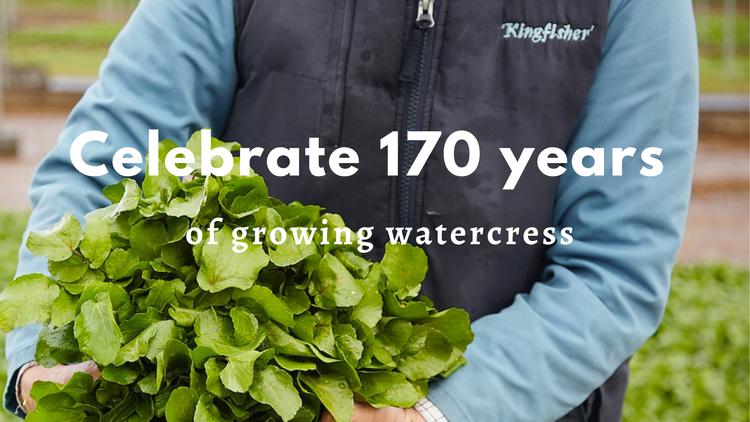
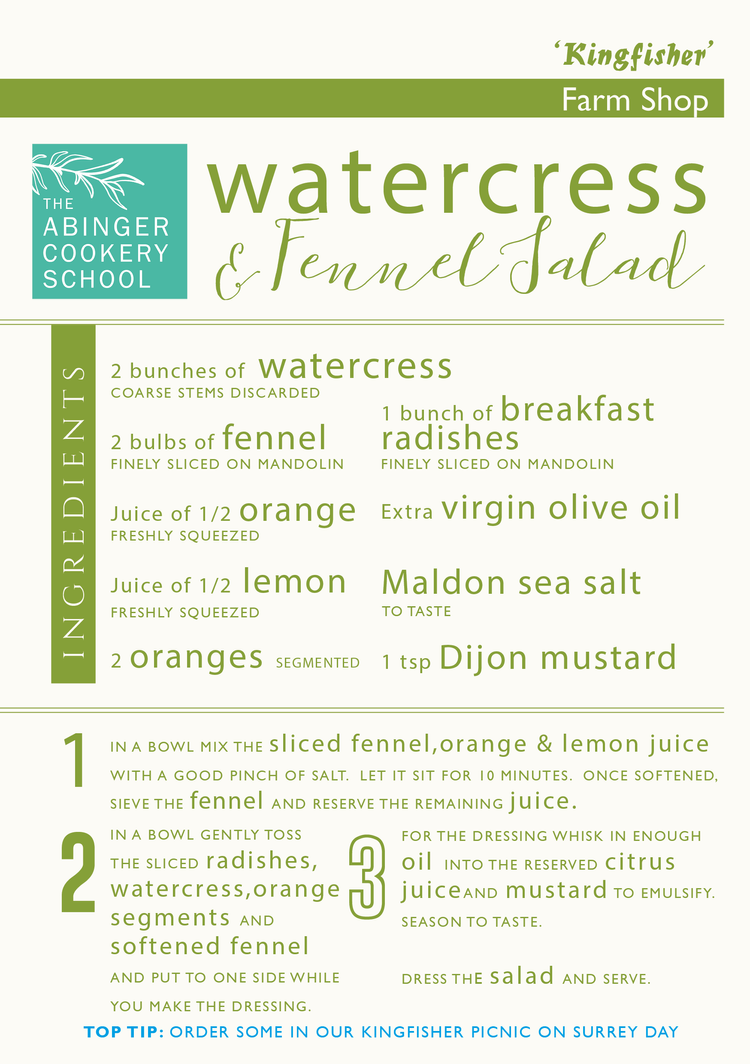
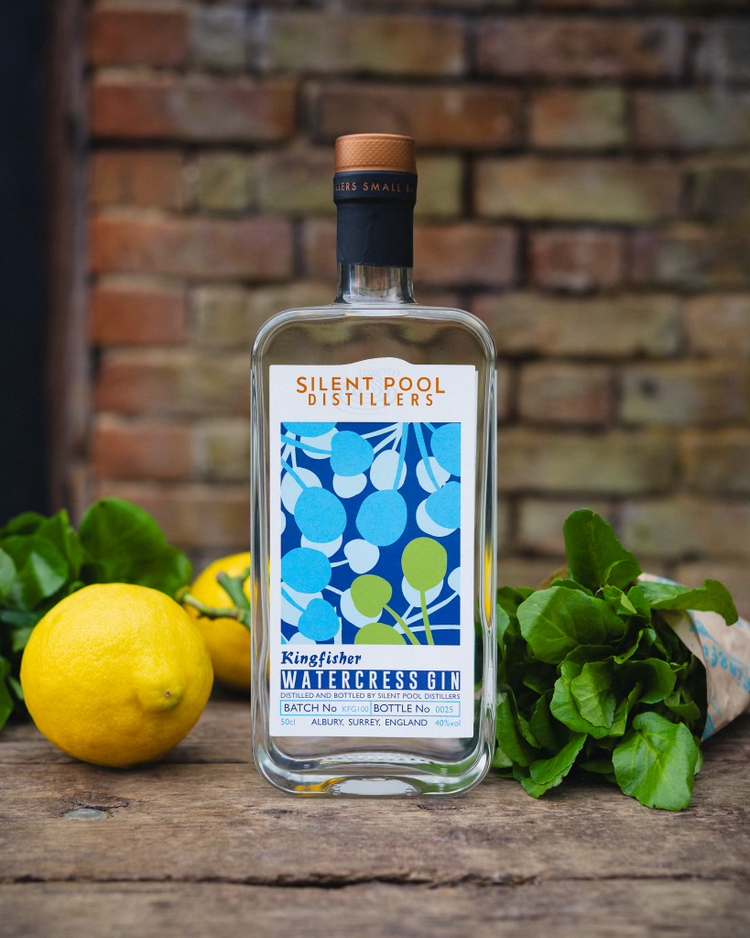
A true superfood!Watercress is an aquatic plant related to mustard, broccoli and wasabi. It is the unique mustard oils in the plant that give the peppery, spicy notes.The latin name of watercress is ‘Naturtium officinale’, aptly translated as “nose twister”. Watercress enjoys a long and storied history, with ancient origins and evidence of its use dating back three millennia to the Persians, Greeks and Romans. Up until the renaissance, the green leaf was used as a breath freshener and palate cleanser, as well as for medicinal purposes. The Persians observed that soldiers were healthier when watercress was part of their daily diet. The Greeks embraced the health benefits of watercress. Around 400BC, Hippocrates founded the first hospital on the island of Kos, where he grew watercress in the natural springs and used it to treat blood disorders. English cultivation began in the early 1800, when a farmer near London began to popularise watercress as a salad ingredient. It was not long before it became increasingly difficult to meet the sudden increase in demand for watercress. The opening of Britain's public railways in the 19th Century – providing links to London – that ensured nationwide success. The new rail links meant that watercress could be rapidly transported to the capital and beyond. The Mid-Hants railway transported freight from turnips to racehorses, it was soon dubbed the "Watercress Line" owing to the huge quantities sent to London's Covent Garden Market each day. Watercress is equally a symbol of poverty and of great entrepreneurship in the history of London. It was nicknamed "poor man's bread" by the Victorians, and street sellers in London sold bunches of it in paper cones to be eaten as a snack, jazzing up what would have been, for many, a plain diet. Its popularity continued over the decades. During both world wars, watercress sandwiches in Britain at high tea became a national institution as people rejoiced in homegrown, healthy produce. Due to the modern far more varied diet we have become accustomed to watercress lost its popularity. In 2003, in a bid to get Brits to eat more greens and to view watercress as more than a garnish, the campaign "Not Just a Bit on the Side" from British farmers restarted its notoriety. Even today in the most quintessential place for afternoon tea in London – The Ritz – an egg mayonnaise, chopped shallots and watercress brioche roll always features on the menu. Regularly eating watercress is a great way to get your nutritional top up. Did you know that watercress is rich in vitamins, containing over 50 vital vitamins and minerals. The nutrient density of watercress is 100%, beating spinach which has an 80% nutrient density. It is rich in potassium. Potassium helps your body regulate your heartbeat, salt levels, blood pressure and even the health of your bones. It has more vitamin C than an orange, giving the immune system a natural boost. Watercress really is a superfood! Put a bunch in your basket it pairs well with.... Fruit and Vegetables Avocado, bell peppers, broccoli, butternut squash, chilli, cucumber, fennel, ginger, horseradish, leek, onion, orange, pear, persimmon, potato, sweet potato, strawberries. Herbs, Nuts and Spices Almonds, cashew, coriander, parsley, pine nuts, pistachio. Protein and Other- Beef, chicken, egg, feta cheese, fish, goat cheese, ham, pepitas, salmon, sesame seeds, sunflower seeds
|